

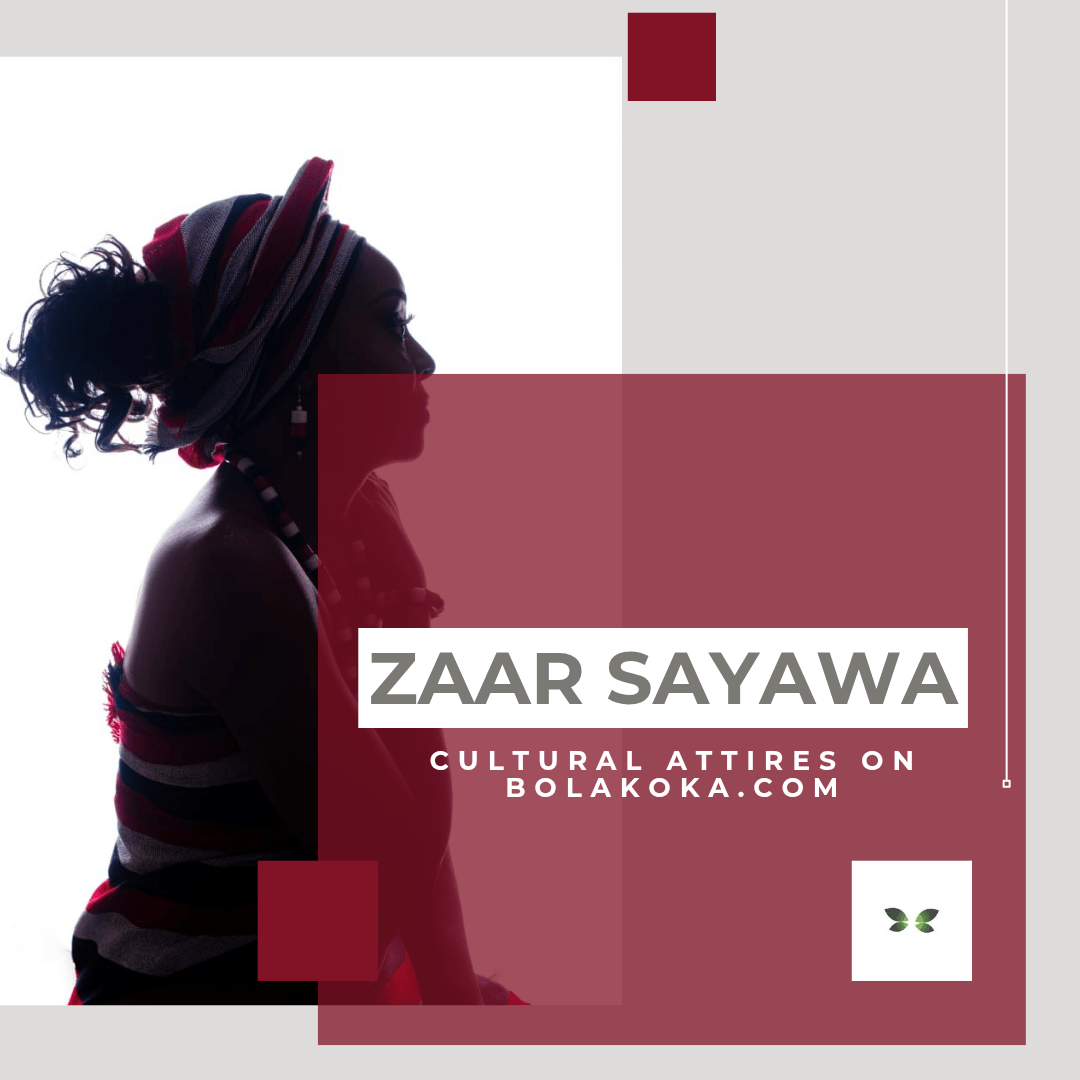
The traditional attire of the Zaar (Sayawa) people, primarily from the Bogoro and Tafawa Balewa local government areas of Bauchi State, is a striking ensemble dominated by red, black, and white stripes. Symbolic Meanings of Colors The choice of colors is deeply rooted in the history and spirit of the Zaar nation: Red: Signifies the blood of ancestors who fought for their rights and heritage. Black: Represents the “dark ages” of historical persecution and slavery. White: Symbolizes hope, peace, and a bright future for the community. Key Features of the Attire The clothing is often hand-woven on traditional looms, creating a distinctive textured look: For Women: Typically includes a wrapper, a matching blouse, and a headscarf (gele), often accented with beads. For Men: Often consists of striped tunics or flowing gowns, sometimes worn with a cap or a sash. Festivals: The attire is most prominently displayed during the Lempn Zaar annual harvest festival, where traditional dancers wear these colors as a symbol of cultural authority and pride.
Related products
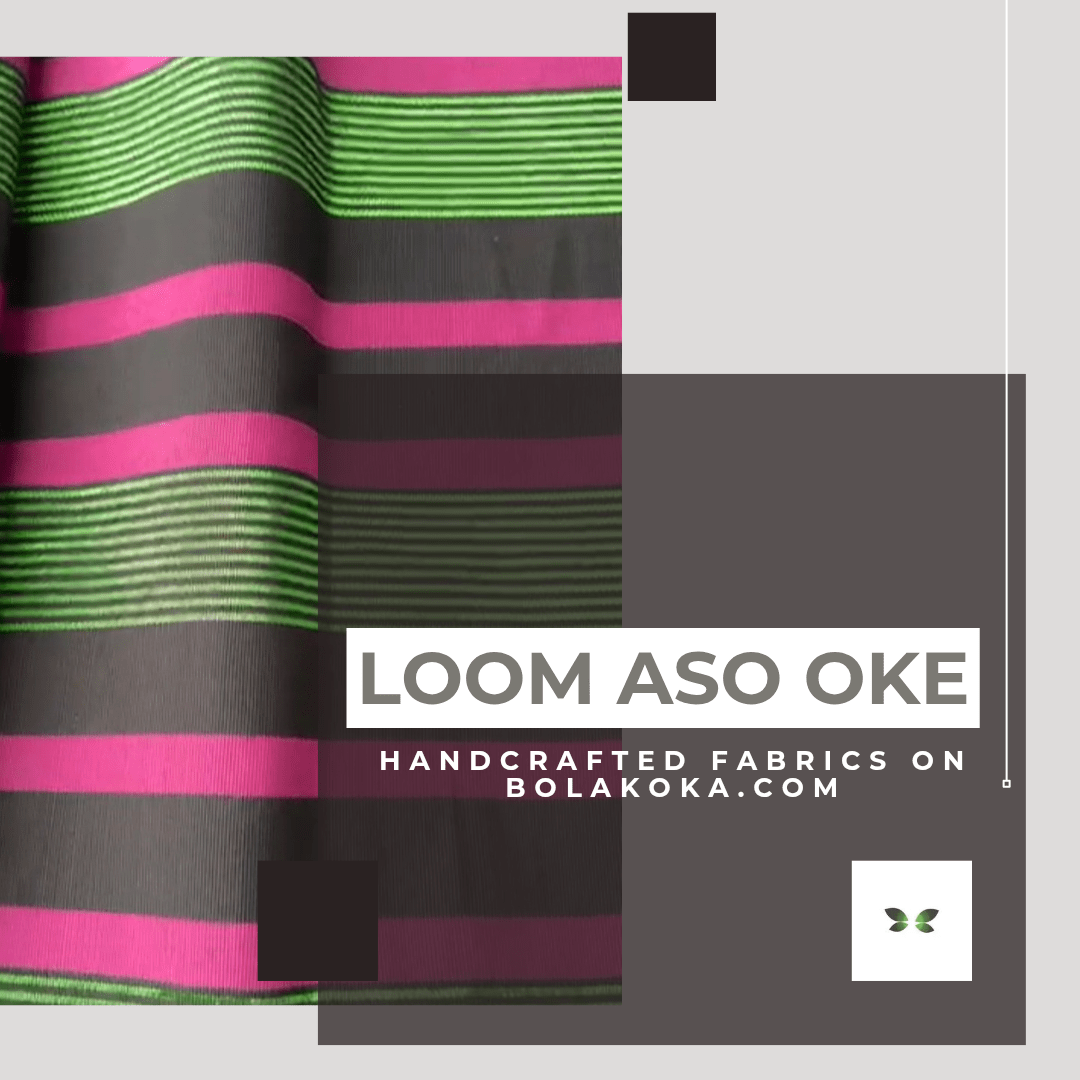 BLK 032 Loom Aso Oke Fabric $ 5.59
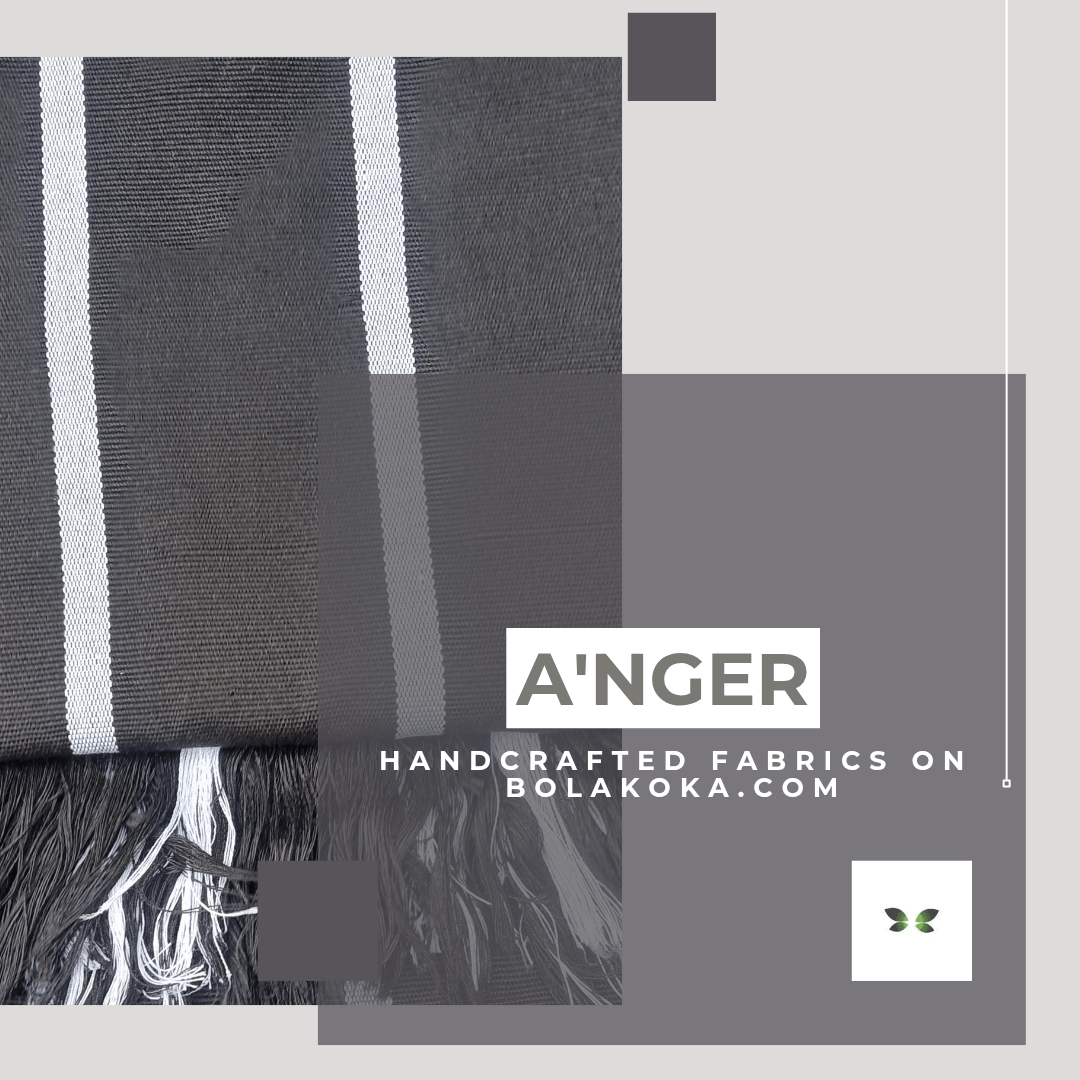 BLK 001 A’nger Tiv Fabric $ 5.26