

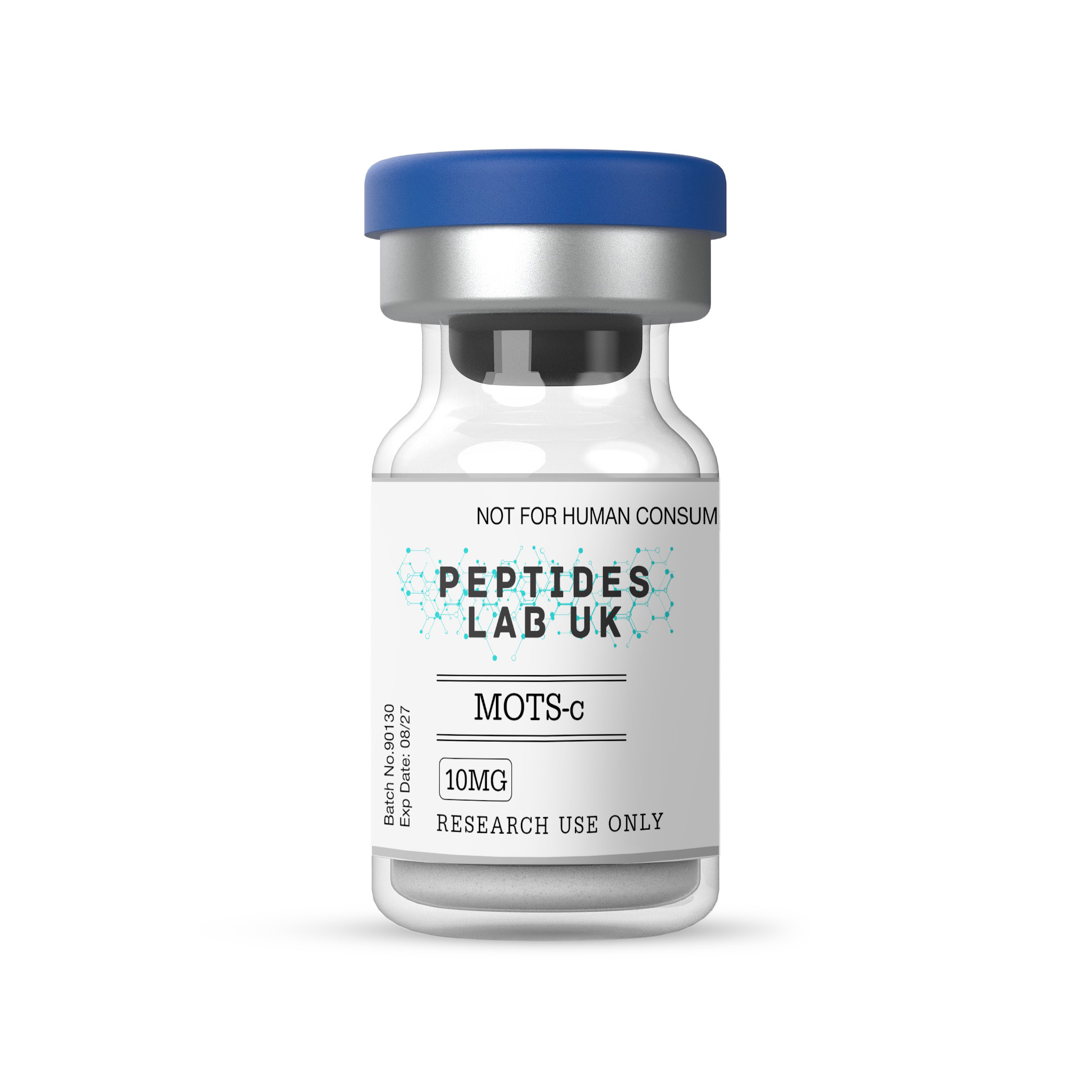
Product DescriptionBuy MOTS-c Peptide UK – ≥99% Purity | Mitochondrial-Derived Research PeptideMOTS-c is a 16-amino-acid mitochondrial-derived peptide (MDP) — one of the only peptides encoded directly by mitochondrial DNA — studied extensively for its role in metabolic regulation, AMPK activation, insulin sensitivity, and age-related muscle decline. Buy MOTS-c peptide in the UK from Peptides Lab UK with ≥99% HPLC-verified purity, batch-specific COA, and fast UK dispatch for laboratory research use.What is MOTS-c Peptide?MOTS-c (Mitochondrial ORF of the 12S rRNA Type-C) is a naturally occurring mitochondria-encoded bioactive peptide first identified in 2015 by Lee et al. at the University of Southern California. Its 16-amino-acid sequence (Met-Arg-Trp-Gln-Glu-Met-Gly-Tyr-Ile-Phe-Tyr-Pro-Arg-Lys-Leu-Arg) is highly conserved across species, suggesting significant biological relevance.What makes MOTS-c particularly interesting to researchers is its origin — unlike most peptides, it is encoded directly within mitochondrial DNA rather than nuclear DNA. This positions it as a key mediator of mitochondrial-to-nuclear communication, giving it a unique role in regulating how cells respond to metabolic stress, exercise, and ageing.Product Specifications:ParameterSpecificationPurity≥99% (HPLC and MS verified)FormWhite lyophilised powderSequenceMet-Arg-Trp-Gln-Glu-Met-Gly-Tyr-Ile-Phe-Tyr-Pro-Arg-Lys-Leu-ArgMolecular Weight2,174.52 g/molSolubilitySterile water, 0.1% acetic acidStorage (powder)–20°C (stable 24 months)Storage (reconstituted)2–8°C (use within 2–4 weeks)Available Sizes2mg, 5mg, 10mg, 20mg, 50mgHow Does MOTS-c Work?MOTS-c primarily acts through the Folate-AICAR-AMPK pathway — a key cellular energy-sensing mechanism. When activated by exercise, metabolic stress, or exogenous administration in a research setting, MOTS-c translocates from the mitochondria to the cell nucleus, where it directly regulates the expression of genes related to energy metabolism, oxidative stress resistance, and cellular homeostasis.Key mechanisms studied in pre-clinical research include:AMPK activation — MOTS-c activates AMP-activated protein kinase, the master regulator of cellular energy balance, promoting glucose uptake and fatty acid oxidation in skeletal muscleNuclear translocation — under metabolic stress, MOTS-c moves into the cell nucleus within 30 minutes and binds to stress-response transcription factors including NRF2 and ATF1/ATF7PGC-1α upregulation — interaction with AMPK activates PGC-1α, driving mitochondrial biogenesis and metabolic flexibilityGLUT4 upregulation — research has shown MOTS-c increases GLUT4 expression in skeletal muscle, improving glucose uptake efficiencyFolate cycle modulation — MOTS-c regulates the folate cycle and de novo purine biosynthesis, increasing AICAR levels which in turn phosphorylate and activate AMPKAnti-inflammatory signalling — AMPK activation by MOTS-c stimulates SIRT1 and PGC-1α, producing downstream anti-inflammatory effectsWhat Does MOTS-c Do in Research?In pre-clinical laboratory models, MOTS-c has demonstrated a wide range of effects relevant to metabolic science, exercise physiology, and longevity research:Reverses diet-induced insulin resistance — studies have shown MOTS-c can improve insulin sensitivity in skeletal muscle in high-fat diet and obesity modelsImproves glucose metabolism — shown to lower fasting blood glucose levels across multiple diabetic animal models (T1D, T2D, gestational diabetes)Enhances physical performance — pre-clinical research demonstrated significantly improved exercise capacity in young, middle-aged, and old mice following MOTS-c treatmentReduces age-related muscle decline — late-life intermittent MOTS-c treatment (3x/week) increased physical capacity and healthspan markers in aged mouse modelsSupports cardiac function — research has observed an 8% reduction in left ventricular wall thickness in treated diabetic groups, with improvements in cardiac energy metabolismLiver steatosis models — studies in Cell Reports (2024) found MOTS-c treatments reduced NASH-diet-induced liver steatosis, apoptosis, inflammation, and fibrosisPancreatic islet protection — MOTS-c has been studied for its role in reducing pancreatic islet senescence and improving glucose intolerance in diabetes modelsOxidative stress regulation — acts on NRF2 and antioxidant response elements (ARE), enhancing cellular resistance to oxidative damageBone metabolism — emerging research has explored MOTS-c’s role in osteoblast and osteoclast regulation in bone remodelling studiesWhat Do Studies Say About MOTS-c Peptide?MOTS-c has a substantial and growing body of peer-reviewed pre-clinical research:Reynolds JC et al. (2021) — Nature Communications, 12(1), 1–11 — Landmark study demonstrating MOTS-c as an exercise-induced mitochondrial-encoded regulator of age-dependent physical decline. Showed MOTS-c significantly enhanced physical performance in young, middle-age, and old mice, and confirmed exercise induces endogenous MOTS-c expression in human skeletal muscle and circulation. DOI: 10.1038/s41467-020-20790-0Frontiers in Physiology (2025) — MOTS-c treatment restored mitochondrial respiration in type 2 diabetic hearts, improved fasted blood glucose, and improved glucose handling in T2D rat models, consistent with AMPK pathway activation and increased mitochondrial biogenesis markers.Cell Reports (2024) — DOI: 10.1016/j.celrep.2023.113587 — Demonstrated both long-term preventive and short-term therapeutic effects of MOTS-c in NASH models, alleviating liver steatosis, cellular apoptosis, inflammation, and fibrosis.Experimental & Molecular Medicine / Nature (2025) — MOTS-c reduced pancreatic islet senescence and improved glucose intolerance in diabetic mouse models. Confirmed that circulating MOTS-c levels are lower in type 2 diabetes patients compared to healthy controls.Domin R et al. (2023) — International Journal of Molecular Sciences, 24(19), 14951 — Human-based study confirming that higher serum MOTS-c concentration positively correlates with greater lower-body muscle mass, force, and power in healthy subjects.Kumagai H et al. (2021) — American Journal of Physiology – Endocrinology and Metabolism — Demonstrated MOTS-c reduces myostatin signalling and markers of muscle atrophy in pre-clinical models.PMC Review (2023) — PMC9854231 — Comprehensive review of MOTS-c mechanisms, confirming its role in the Folate-AICAR-AMPK pathway, nuclear translocation under stress, energy homeostasis, and anti-inflammatory gene regulation.Note: All cited research relates to in-vitro and animal model studies or observational human data. MOTS-c has not completed human clinical trials and is not approved for any medical or therapeutic use.What is MOTS-c Used For in Research?UK laboratories and research teams purchasing MOTS-c peptide typically investigate:Metabolic homeostasis and AMPK-dependent energy signallingInsulin resistance and glucose metabolism in T1D, T2D, and obesity modelsAge-related muscle decline (sarcopenia) and exercise physiologyMitochondrial biogenesis and mitochondrial-nuclear communicationCellular stress response and oxidative stress adaptationCardiac energy metabolism and diabetic cardiomyopathy modelsPancreatic islet function and beta-cell senescenceLiver steatosis, NASH, and metabolic-associated fatty liver diseaseComparative mitochondrial peptide studies alongside Humanin and SS-31Longevity pathway and healthspan investigationsMOTS-c vs Other Mitochondrial PeptidesFeatureMOTS-cHumaninSS-31OriginMitochondrial DNAMitochondrial DNASyntheticAmino Acids1621–244Primary Research FocusMetabolic regulationNeuroprotectionMitochondrial protectionAMPK ActivationYesLimitedNoStabilityExcellentGoodExcellentCommon Research Dosage5–10mg10–20mg1–5mgMany researchers combine MOTS-c with other mitochondrial peptides for multi-pathway comparative studies.Quality & Purity AssuranceEvery batch of MOTS-c from Peptides Lab UK is supplied with:≥99% purity — HPLC and mass spectrometry confirmedBatch-specific Certificate of Analysis (COA) — verifiable via our online portalHPLC chromatogram — purity verification dataMass spectrometry results — molecular weight confirmationSterility testing report — endotoxin level dataReconstitution guidelines — protocol recommendations includedManufactured under strict GMP-aligned laboratory conditions, ensuring consistent, reproducible results batch to batch.Reconstitution & Storage GuidelinesReconstitution ProtocolAllow vial to reach room temperature before opening to prevent condensationAdd sterile water or 0.1% acetic acid slowly down the vial wallSwirl gently — avoid vigorous shakingTypical working concentration: 1–5 mg/mL depending on experimental protocolFilter through 0.22μm sterile filter if requiredStorage RequirementsUnopened powder: –20°C, stable for 24 monthsReconstituted solution: 2–8°C, use within 2–4 weeksLong-term storage: Aliquot and freeze at –80°C to avoid freeze-thaw cyclesProtect from light and moisture throughoutMOTS-c Peptide UK – FAQWhat is MOTS-c peptide?MOTS-c is a 16-amino-acid mitochondrial-derived peptide encoded directly by mitochondrial DNA. It is one of a small family of mitochondria-derived peptides (MDPs) studied for its role in AMPK activation, metabolic regulation, insulin sensitivity, and cellular stress response.What is MOTS-c used for in research?MOTS-c is used in pre-clinical studies examining metabolic disorders, insulin resistance, age-related muscle decline, mitochondrial biogenesis, cardiac function, and longevity-related pathways. It is one of the most researched mitochondrial peptides currently available from UK peptides suppliers.What do studies say about MOTS-c and ageing?Pre-clinical research published in Nature Communications (Reynolds et al., 2021) confirmed that MOTS-c is an exercise-induced mitochondrial regulator of age-dependent physical decline. Late-life intermittent treatment improved physical capacity and healthspan markers in aged mice. Separately, human observational data (Domin et al., 2023) found that higher serum MOTS-c levels correlate with greater muscle strength and power in healthy subjects.Is MOTS-c the same as an exercise mimetic?In research models, MOTS-c behaves similarly to exercise at the cellular level — activating AMPK, promoting glucose uptake, and triggering mitochondrial biogenesis. Some literature has described it as a “motion simulator” for its ability to systemically regulate glucose metabolism. It is supplied strictly for laboratory research use only.Is MOTS-c legal to buy in the UK?Yes. MOTS-c can be legally purchased in the UK exclusively for legitimate scientific research in licensed laboratory facilities. It is not approved for human consumption or therapeutic use.What purity is required for MOTS-c research?≥99% purity is strongly preferred for sensitive metabolic assays including AMPK signalling, glucose uptake measurements, and insulin sensitivity studies. All Peptides Lab UK batches are HPLC and MS verified to meet this standard.What is the difference between MOTS-c acetate and MOTS-c trifluoroacetate?Both salt forms contain an identical active peptide sequence. Acetate is generally preferred as TFA (trifluoroacetate) can occasionally interfere with certain cellular assays at high concentrations. Reputable suppliers clearly indicate the salt form in their COA documentation.Why Buy MOTS-c from Peptides Lab UK?When you buy MOTS-c peptide UK from Peptides Lab UK, you receive:≥99% purity, HPLC and mass spectrometry verifiedFull COA, HPLC chromatogram, and sterility report per batchMultiple dosage options: 2mg, 5mg, 10mg, 20mg, 50mgFast same-day UK dispatch with tracked delivery (1–2 working days)GMP-aligned manufacturing for consistent, peer-review-ready resultsTrusted by research institutions across the UK and EuropeResearch Disclaimer: All products supplied by Peptides Lab UK are intended strictly for in-vitro laboratory research and scientific study use only. They are not intended for human consumption, veterinary use, or any medical or therapeutic application. MOTS-c has not been evaluated by the MHRA or any regulatory authority for safety or efficacy in humans or animals. All research citations on this page relate to pre-clinical in-vitro and animal model studies, or observational human data, and do not constitute evidence of safety or therapeutic efficacy in humans. Peptides Lab UK accepts no liability for any misuse of research compounds. By purchasing, you confirm that you are a qualified researcher and that the product will be used solely within a controlled laboratory environment in compliance with all applicable UK laws, regulations, and institutional guidelines.
Related products
 LL-37 For Lab Research $ 95.28
 Cagrilintide For Lab Research $ 95.28
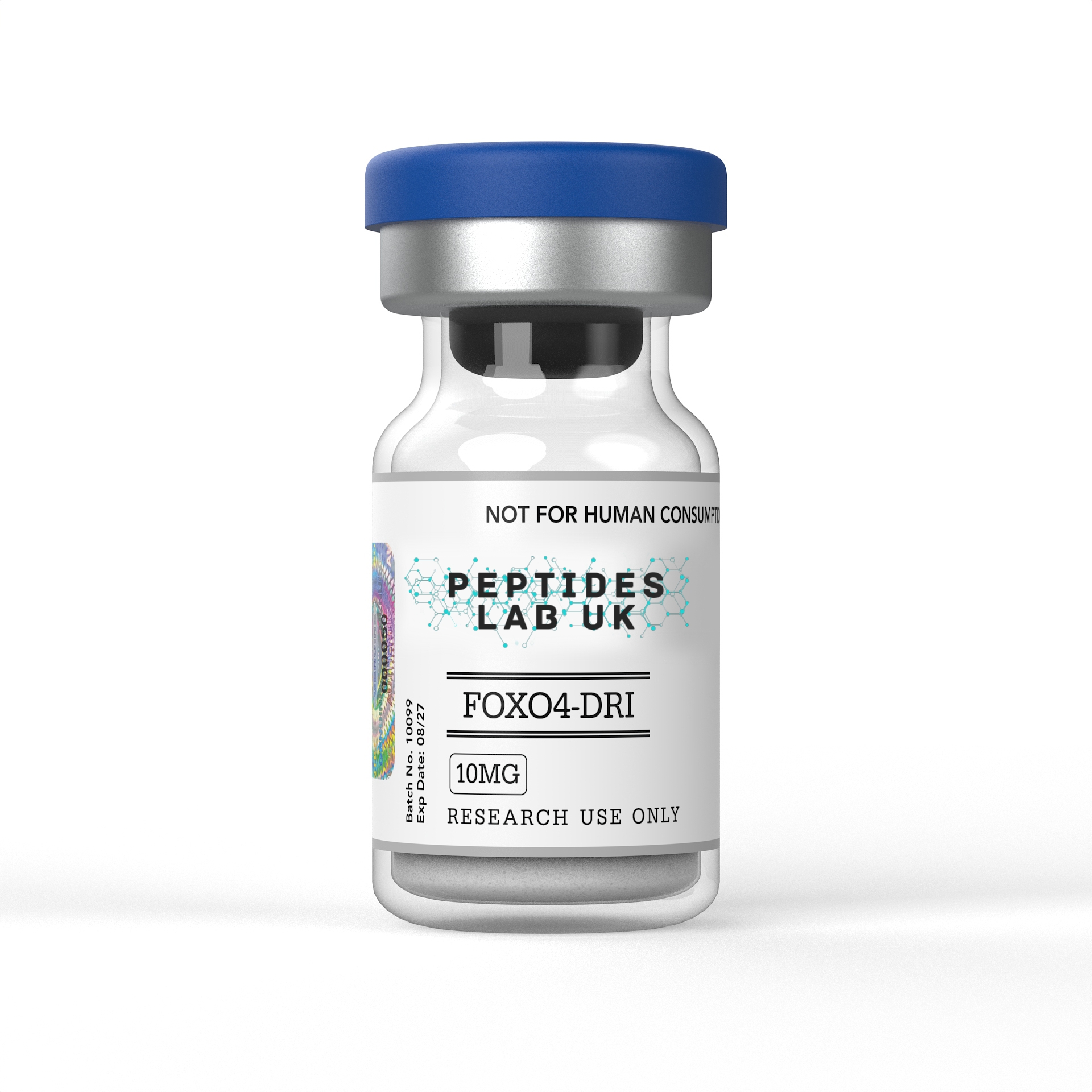 FOXO4-DRI For Lab Research $ 90.90